Euless homeowner guide · Storm preparation
Storm Season in Tarrant County: How to Protect Your Euless Home from Flooding
Published
Heavy rainfall can expose drainage and building weaknesses before you notice water indoors. For Euless homeowners, preparation means reducing avoidable entry points and planning a safe response—not assuming any home can be made flood-proof.
Call (817) 330-7905Check drainage while the weather is safe
Look for blocked gutters, disconnected downspouts and water that repeatedly pools near exterior walls. Arrange safe maintenance before a storm. Downspouts should discharge appropriately without directing water toward the foundation, a neighbor’s property or a location prohibited by local rules.
If the yard slopes toward the home or pooling returns after ordinary rain, consult a qualified drainage professional. Do not make grading changes blindly: utilities, easements and drainage patterns may be involved. A landscape change that appears helpful at one wall can move the problem elsewhere.
Inspect likely building entry points
From the ground, look for damaged roofing, loose flashing, gaps around exterior openings and stains that followed earlier storms. Arrange qualified inspections and repairs where needed. Never climb onto a wet roof or enter a damaged attic during severe weather.
Sealants are not a substitute for diagnosing recurring leaks. If water has previously reached a ceiling, wall or floor, check whether concealed materials were properly dried and repaired. Document recurring locations so the repair professional can investigate the pattern.
Prepare alerts, supplies and a safe exit plan
Use reliable weather alerts and follow local emergency instructions. Keep essential medicines, documents, chargers and basic supplies accessible. Identify a safe place to go and consider how household members, pets and people needing assistance will leave if evacuation is advised.
Know where water shutoffs are before an emergency, and keep access clear. Do not plan to reach a breaker through water. Floodwater can hide washed-out surfaces, live electricity and contamination; never walk or drive through it just because the depth looks manageable.
- Keep important records in a protected location with backup copies.
- Have a household contact plan if members are separated.
- Charge devices before severe weather when feasible.
- Follow official road closures, evacuation instructions and reentry guidance.
Review coverage and belongings before a storm
Standard homeowners insurance generally does not cover rising outside floodwater; separate flood coverage may be needed. Review policies and endorsements with your agent, including effective dates and any waiting periods. Do not assume that coverage bought after damage appears will apply to that loss.
Create a photo inventory of valuable belongings while rooms are dry and safe. Where practical, store important items above locations that have flooded previously. Moving belongings is not a reason to stay in an unsafe home or ignore evacuation instructions.
Be realistic about barriers and pumps
Temporary barriers may reduce some water entry but cannot guarantee protection against flooding. Do not block necessary drainage, exits or ventilation. Ask qualified professionals whether a proposed measure suits the property and any local requirements.
A sump pump requires a suitable installation and safe electrical arrangement. A flooded basement with saturated soil outside also presents foundation-pressure concerns when water is removed too quickly. Do not improvise pumping or wiring during a storm; seek a property-specific assessment.
If water enters, switch from prevention to safety
Keep people away from wet electrical systems, sagging ceilings and suspected contaminated water. Shut off an accessible plumbing source only if safe; rainfall or rising surface water may not have a household valve you can close. Leave and contact emergency services when there is an immediate danger.
Take photographs from dry areas, contact your insurer and arrange appropriate extraction, cleanup and measured drying. Do not run fans over sewage or unknown floodwater. After the event, review both the restoration findings and the water entry route so future repairs address the cause, not only the visible stain.
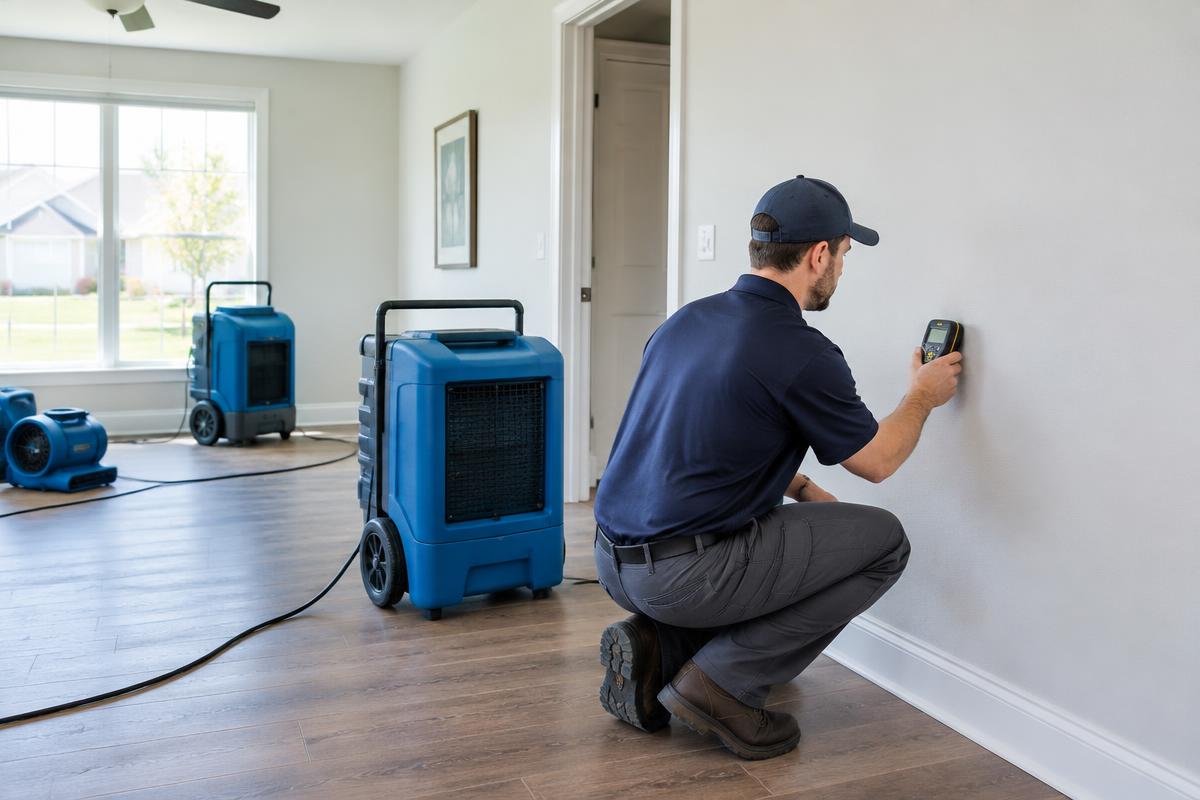
Organize your next steps with Damage Photo Check
Share photos taken from a safe, dry location and describe what happened. Damage Photo Check suggests general safety steps and a potentially appropriate service. It cannot detect hidden hazards, confirm contamination, determine insurance coverage or replace an on-site inspection. Never enter a dangerous area to take photos.
Open Damage Photo CheckRequest restoration help in Euless and the Mid-Cities
For flood cleanup in Euless, call (817) 330-7905 or Request Service online. Describe the source, when you discovered the water, affected rooms and any safety concerns. Inspection and moisture readings help determine the appropriate scope; a photo alone cannot establish it.
Visit our Euless water damage restoration homepage for service options, or read what to do in the first 24 hours after water damage and all homeowner guides.
Sources and limitations
- EPA: Flood cleanup and your health
- FEMA: Basement flood mitigation
- Texas Department of Insurance: Storm damage FAQs
General homeowner information, not an inspection, engineering assessment, health diagnosis or insurance coverage decision. Follow emergency responders’ instructions and obtain qualified advice for your property.